
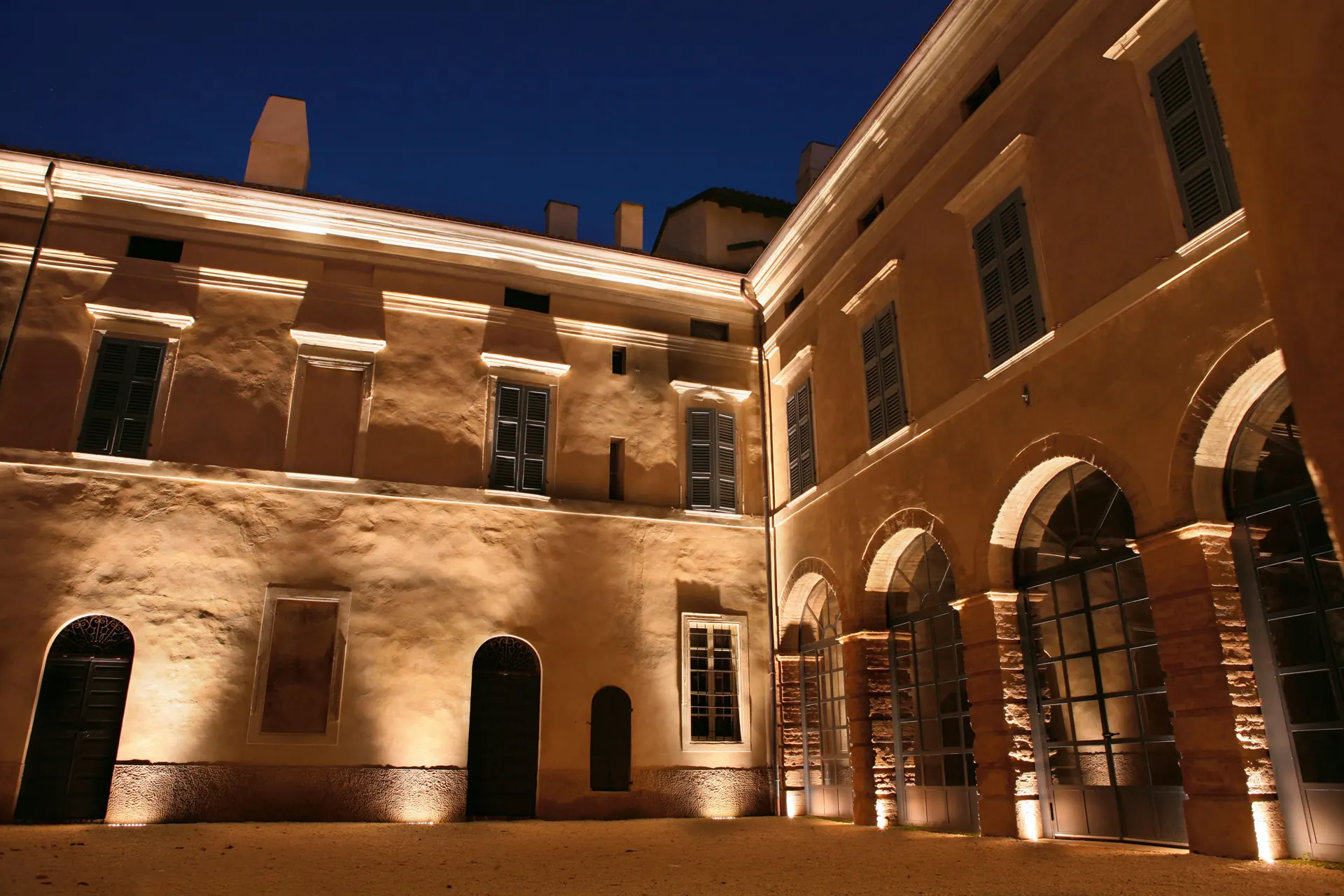
Stadium LED Flood Light
Sports lighting needs even light, control of glare and enough output from tall poles. Our GOTO module flood light goes up to 1000W with four beam angles, and two more series cover courts and training grounds.
Stadium LED Flood Lights We Supply
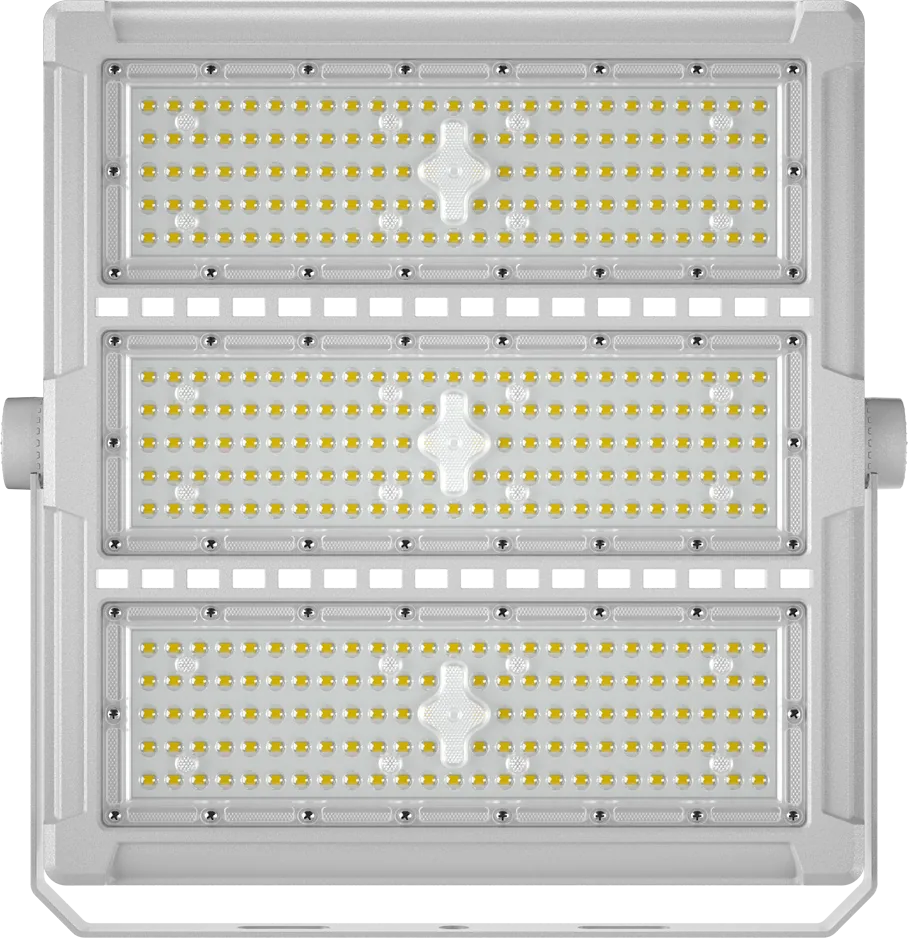
GOTO Module LED Flood Light
Modular flood light up to 1000W with 15° to 90° beams for stadiums and high masts.
- 100W to 1000W
- 150 lm/W
- IP66
- Surge 6 kV
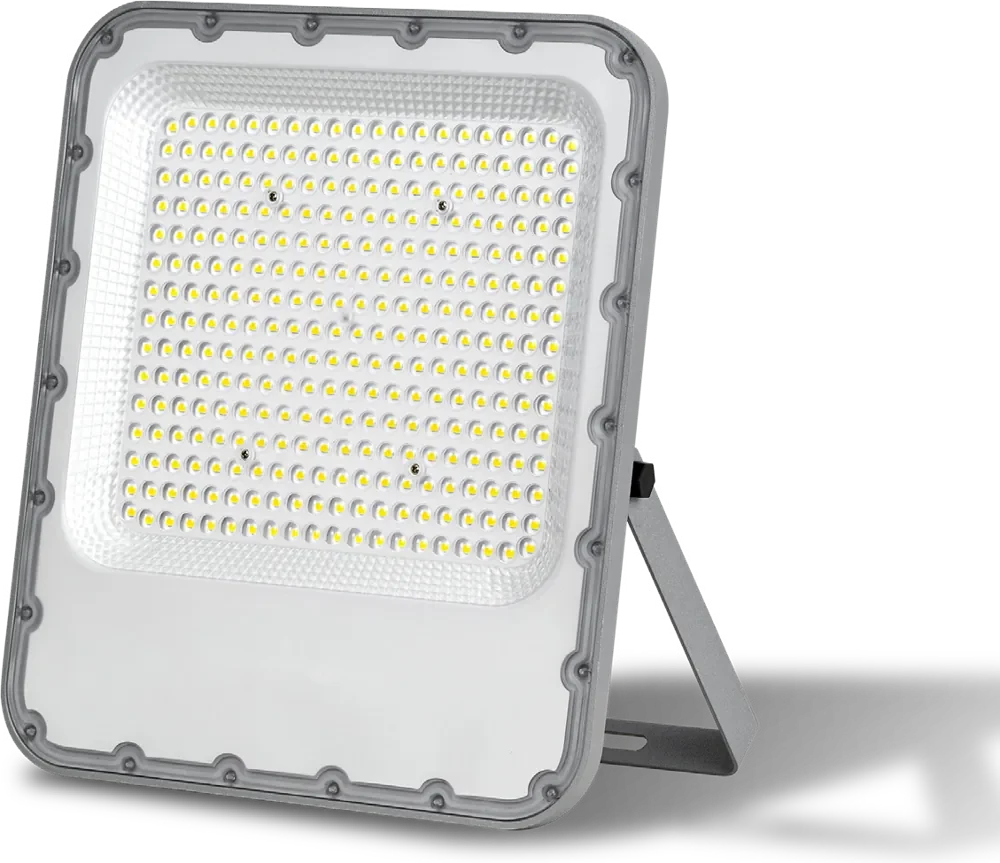
MIKA LED Flood Light
Lens optic flood light with IK08 impact rating and a wide AC 85 to 265 V input.
- 30W to 300W
- 130 lm/W
- IP66
- Surge 6 kV
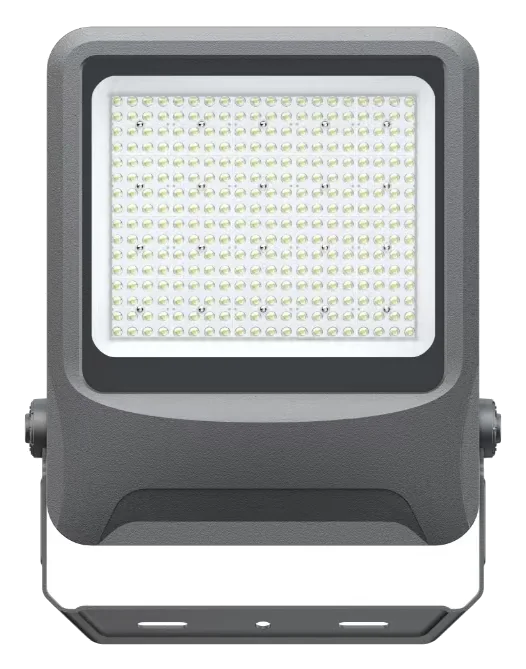
HILE LED Flood Light
Our highest efficiency flood light, with 170 lm/W and an AC 90 to 305 V input.
- 50W to 500W
- 170 lm/W
- IP66
- Surge 10 kV
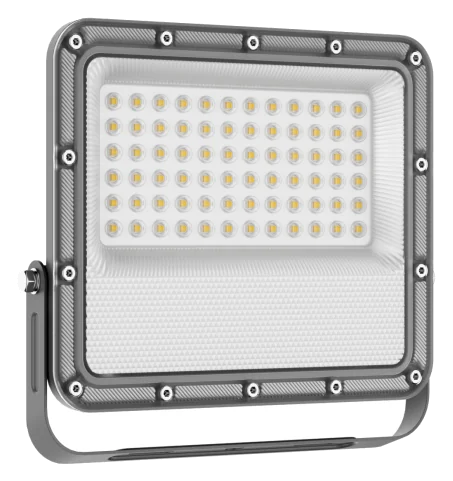
HILO LED Flood Light
170 lm/W flood light from 50W to 500W in a framed die-cast housing.
- 50W to 500W
- 170 lm/W
- IP66
- Surge 10 kV
Three series for sports lighting
| Series | Power | Rated efficacy | Optics | Best for |
|---|---|---|---|---|
| GOTO | 100W to 1000W | 150 lm/W | Modules with 15°, 30°, 60° or 90° beams | Football and cricket fields, masts |
| MIKA | 30W to 300W | 130 lm/W | Lens optics, IK08 | Tennis, padel, basketball and five-a-side courts |
| HILE | 50W to 500W | 170 lm/W | Wide flood beam | Training grounds and multi-use areas |
GOTO is the core of our sports range. It comes in 100W, 150W, 200W, 300W, 400W, 500W, 750W and 1000W, with an AC 100 to 277 V input and IP66 die-cast aluminum modules. Because each fitting is built from modules, the same series covers a village court and a large field, and spare parts stay the same across the project.
How much light a sports field needs
The European standard EN 12193 sets lighting classes for sports. Class I covers top-level competition, Class II covers mid-level competition, and Class III covers training and recreational play. Typical horizontal illuminance values from the standard are:
| Sport (outdoor) | Class III | Class II | Class I |
|---|---|---|---|
| Football | 75 lux | 200 lux | 500 lux |
| Tennis | 200 lux | 300 lux | 500 lux |
Uniformity matters as much as the average. A field at 200 lux with dark patches plays worse than one at 150 lux with even light. The standard sets a minimum ratio between the darkest point and the average for each class. Televised matches need far higher vertical light levels for cameras, which is a separate design job.
Community pitches, school fields and private courts usually target Class III or Class II. Send us the sport, field size, class and pole positions, and we propose fittings, beam angles and aiming.
Pole heights and layouts
Pole height controls glare and uniformity. Higher poles let you aim the beams downward, so players look into less direct light.
- Tennis and padel: 8 to 10 m poles along the sides
- Five-a-side and basketball: 8 to 12 m
- Full-size football, side poles: 15 to 20 m, often four to six per side
- Full-size football, corner masts: 25 m and higher
On a court with 8 m poles, MIKA at 200W to 300W is usually enough. On a football field with 15 to 20 m poles, GOTO at 500W to 1000W per fitting is typical, with several fittings per pole.
Mixing beam angles
A pole lights the near part of the field, the middle and the far side. Each zone needs a different beam:
- 15° throws light furthest, for the far half of a field from a high pole
- 30° covers the middle distance
- 60° lights the area in front of the pole
- 90° suits short throws on courts and low poles
GOTO offers all four, so one project can mix them on the same pole. The aiming plan then puts the narrow beams at the far side and the wide ones close to the pole. This gives even light without overlighting the area under the pole.
Glare and spill
Neighbors complain about two things: bright light in their windows and glare from the poles. Players complain about glare when they look up for a high ball.
Lens and module optics control the beam far better than a flat diffuser. MIKA uses lenses that put more light on the court and less over the fence. GOTO modules shape each beam with their own lenses, and you choose the angle per fitting. Aim every fitting so its main beam stays below about 70° from vertical, and use the narrower beams from higher poles.
Built for outdoor sports sites
Sports lights hang on open poles and see rain, wind, heat and lightning. All three series are IP66. MIKA also carries an IK08 impact rating, which helps on courts where balls hit the fittings, and passed salt spray testing according to the factory. It carries 6 kV surge protection as standard. HILE carries 10 kV, and GOTO and MIKA can be upgraded to 10 kV for exposed towers.
For long cable runs from the clubhouse, wide input drivers keep the light steady when voltage drops: GOTO takes AC 100 to 277 V, MIKA takes AC 85 to 265 V and HILE takes AC 90 to 305 V.
Energy and running cost
Sports lights burn for a few hours each evening, so many clubs care more about purchase price than energy. The saving still adds up. A field lit with 1000W metal halide floodlights can often use 500W to 750W GOTO fittings instead, and the LEDs reach full output at once. You can switch off between sessions without the warm-up wait of metal halide.
What to send us
To design a layout, we need:
- Sport and field size
- Target class or lux level
- Number, position and height of poles (existing or planned)
- Site voltage
- Any limits on spill toward nearby houses or roads
We return fitting quantities, beam angles and aiming, with prices and packing data. For lower poles and general area work, see our 200W LED flood light and 400W LED flood light pages. The full range is on LED flood lights.
Built in Our Factory
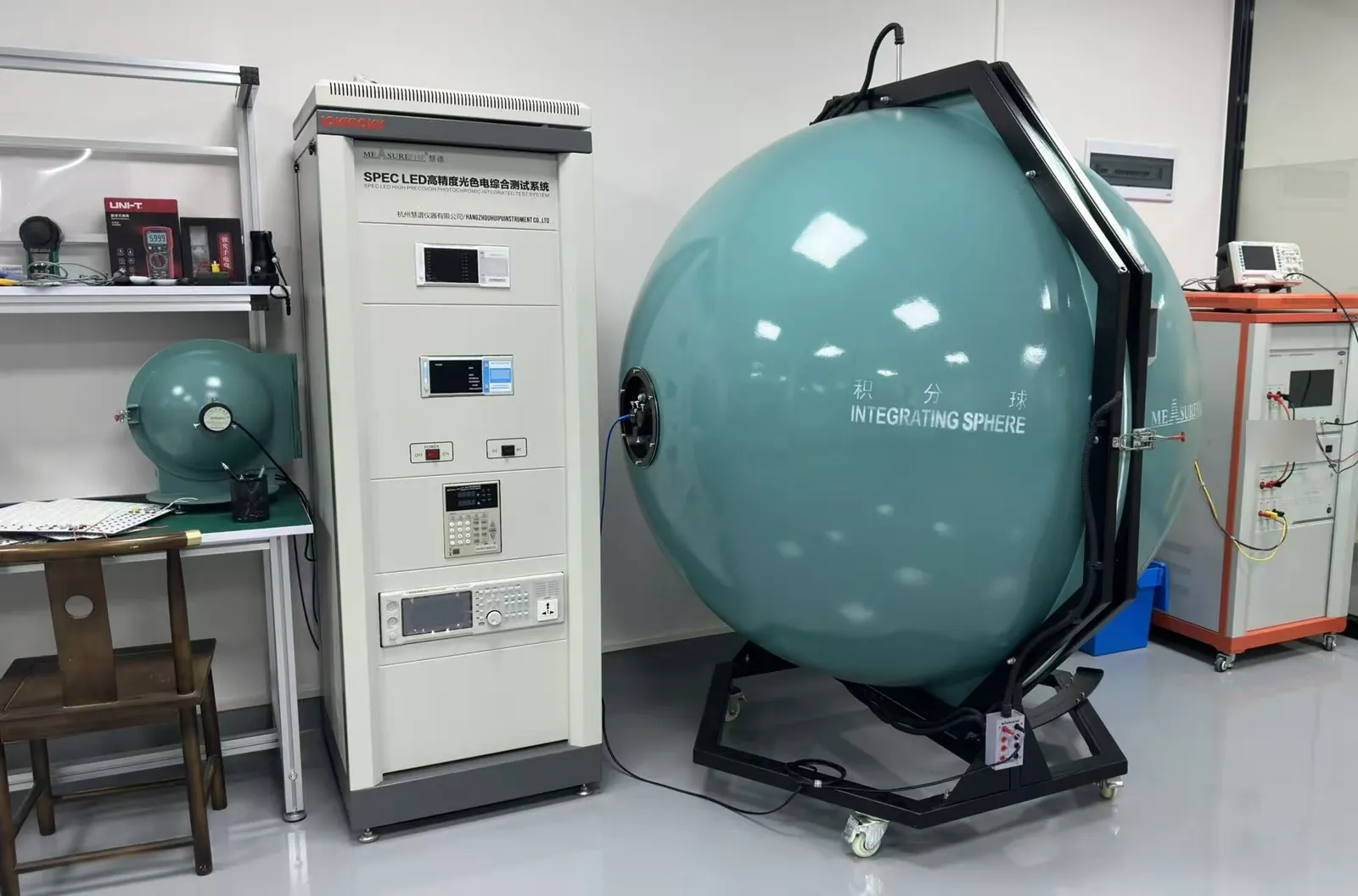
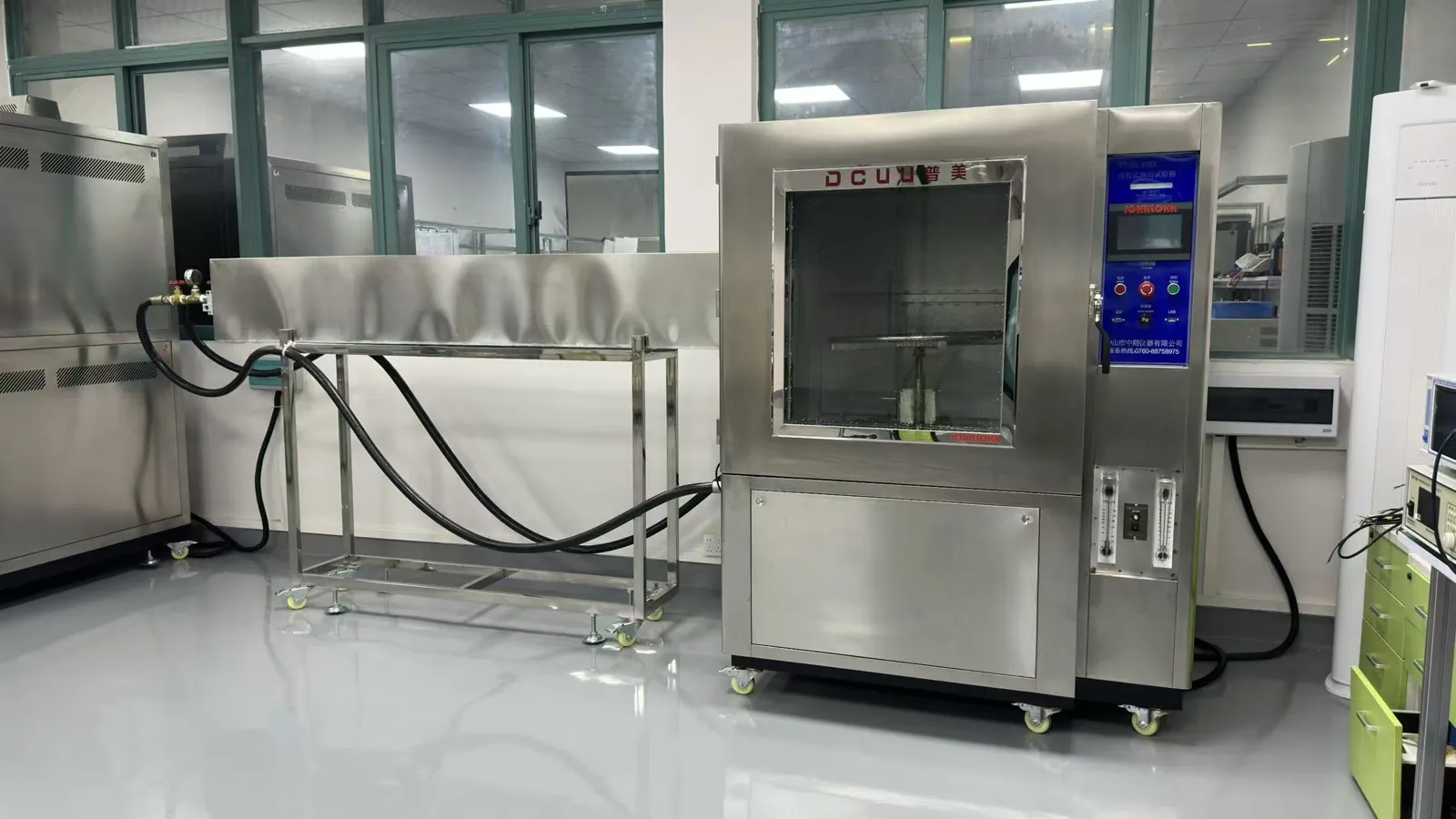
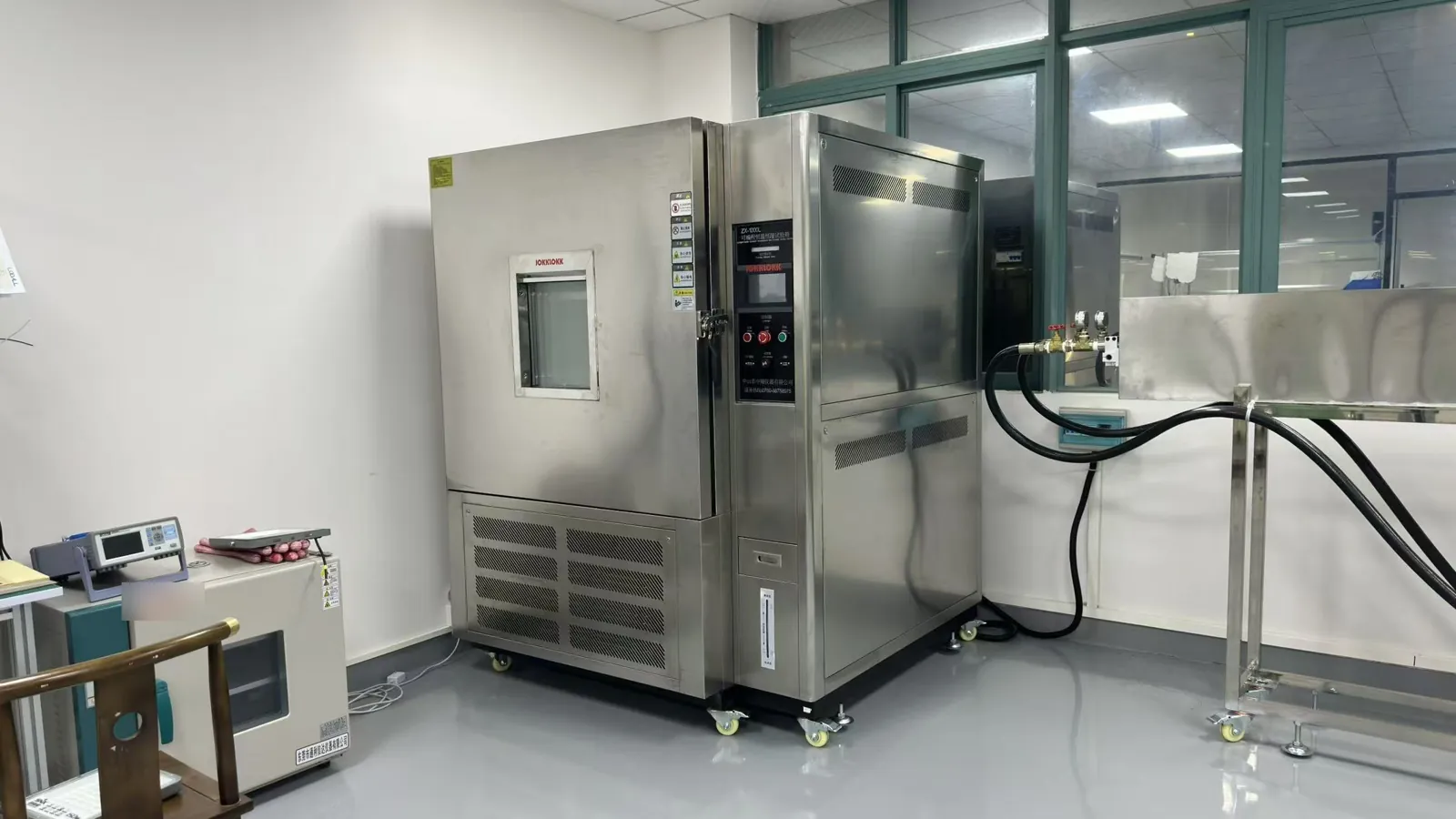
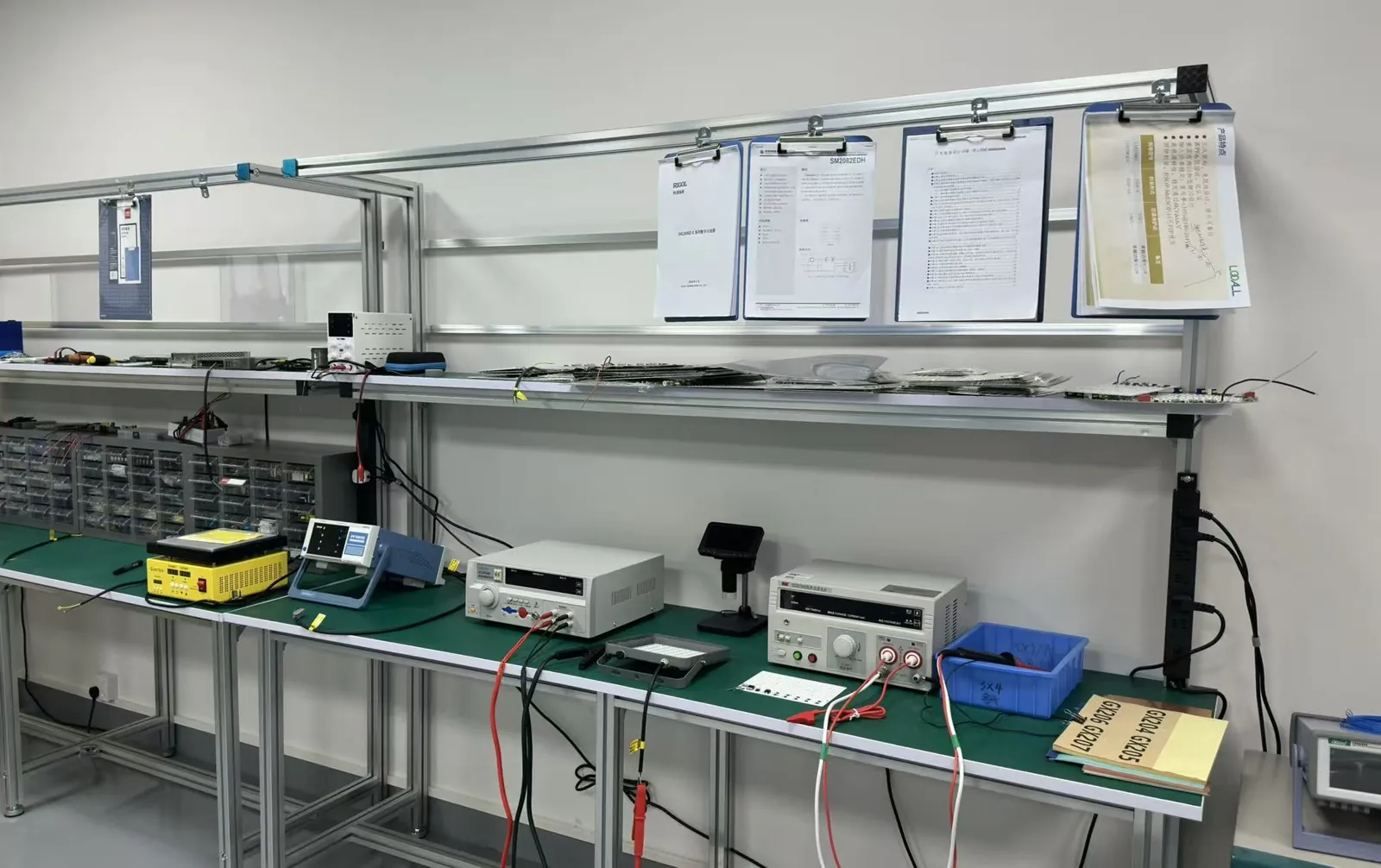
Our partner factory in Guzhen has made outdoor LED lights since 2014. Housings, molds and final testing all happen under one roof, and the factory lab tests light output, sealing, temperature and electrical safety.
Die-casting in house
The factory casts its own aluminum housings, so it controls wall thickness and fin design for heat dissipation.
Mold making
An in-house mold shop builds new housings for OEM and ODM projects without an outside tooling partner.
Voltage and surge options
Economy series with 4 kV to 6 kV protection on the LED board, project series with wide input drivers and up to 10 kV. Any series can be built to 10 kV.
Aging test
Each finished light runs powered on the aging rack before packing to catch early failures.
Pre-shipment inspection
Your own inspector or a third-party agency can check the goods before loading.
Export packing
Carton sizes and gross weights go into the quotation, and the packing list goes to your forwarder.
FAQ
What wattage do I need for a football field?
It depends on the class and pole layout. A training pitch at around 75 to 200 lux with 15 to 20 m poles often uses 500W to 1000W GOTO fittings, several per pole. Send the field size and pole plan and we calculate it.
Which beam angle should I use for stadium lighting?
Mix them. Use 15° and 30° beams for the far side of the field from high poles, and 60° or 90° for the zone near the pole and for courts.
How high should sports lighting poles be?
Around 8 to 10 m for tennis, 8 to 12 m for small courts and 15 to 20 m along the sides of a full football field.
What does EN 12193 require for tennis?
Typical horizontal values for outdoor tennis are 200 lux for Class III, 300 lux for Class II and 500 lux for Class I, with minimum uniformity set per class.
Why use lens or module optics for sports lighting?
They put more light on the playing area and less into the sky, nearby houses and players' eyes. A flat diffuser spreads light wide and wastes much of it on a sports field.
Can the lights survive ball impacts?
MIKA is rated IK08 for impact. For high-impact positions on small courts, mount the fittings out of the main ball path or add a guard.
Do you supply stadium flood lights with our brand?
Yes. We print your logo and pack in your color box. Custom drivers and surge levels are possible, see OEM and ODM.
Get a Quote for Stadium LED Flood Lights
Send us your requirement. We reply with prices, specifications and packing data.
- Chat with sales