
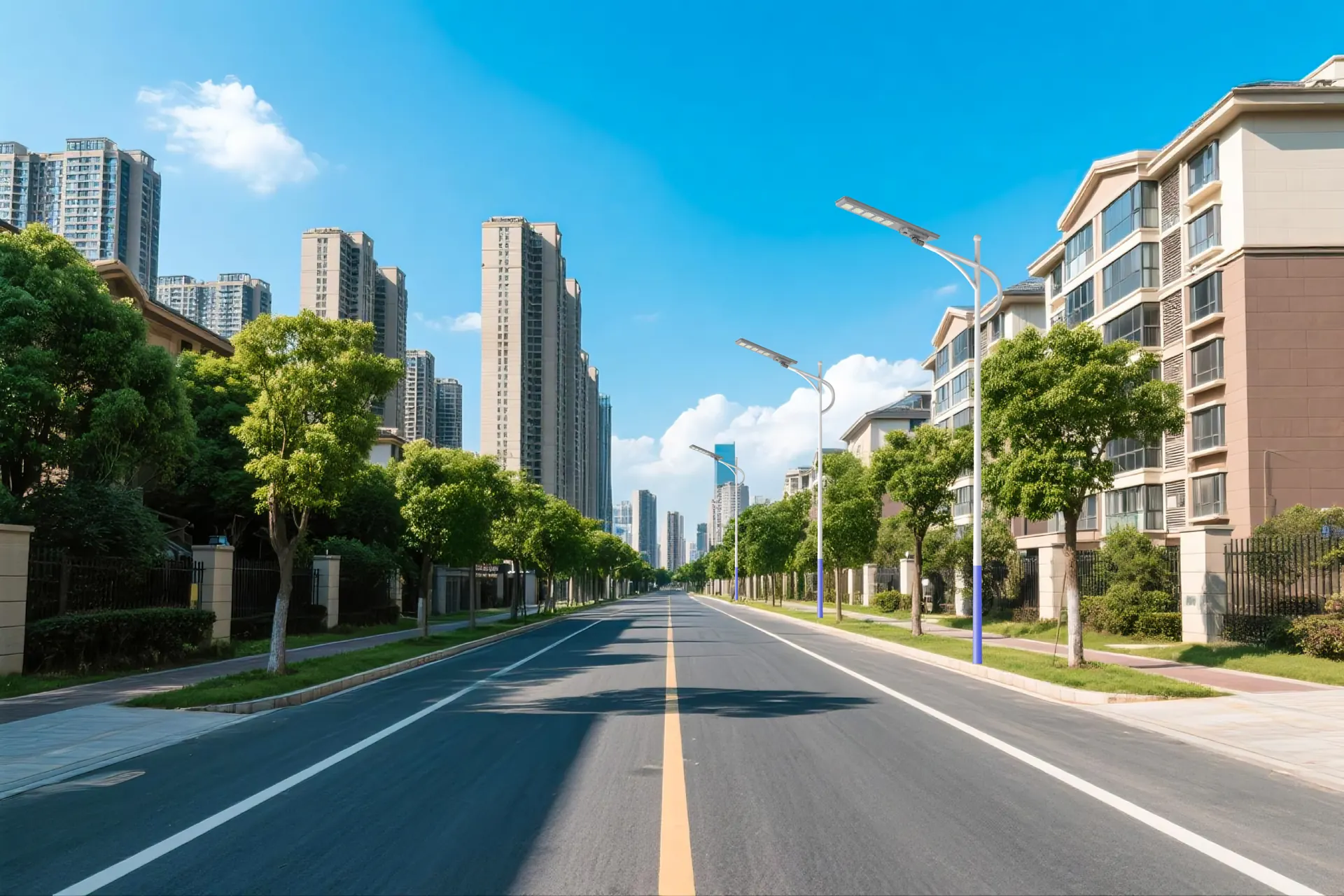
LED Street Light Manufacturer and Supplier
Seven street light series for estate lanes, city avenues and highways. Side-entry mounts for Ø50 to 65 mm spigots, IP66 optics and surge options for exposed poles.
7 series · 30W to 400W
Our LED Street Lights
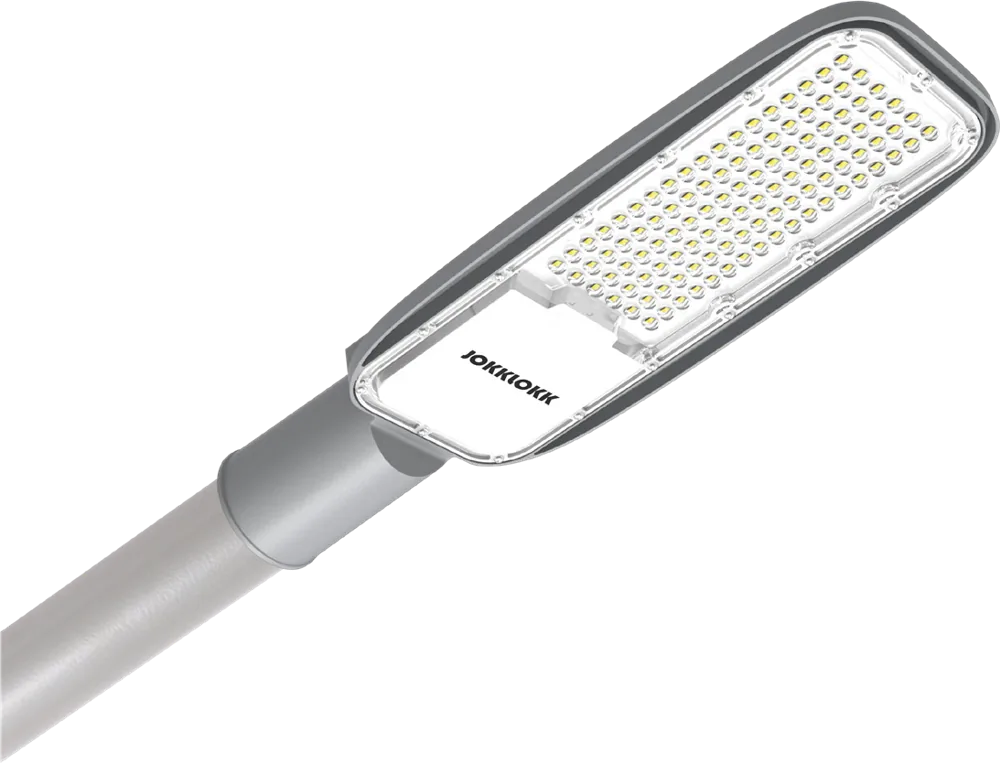
LOLA LED Street Light
Compact 150 lm/W street light for residential roads and village lanes, 30W to 150W.
- 30W to 150W
- 150 lm/W
- IP66
- Surge 6 kV
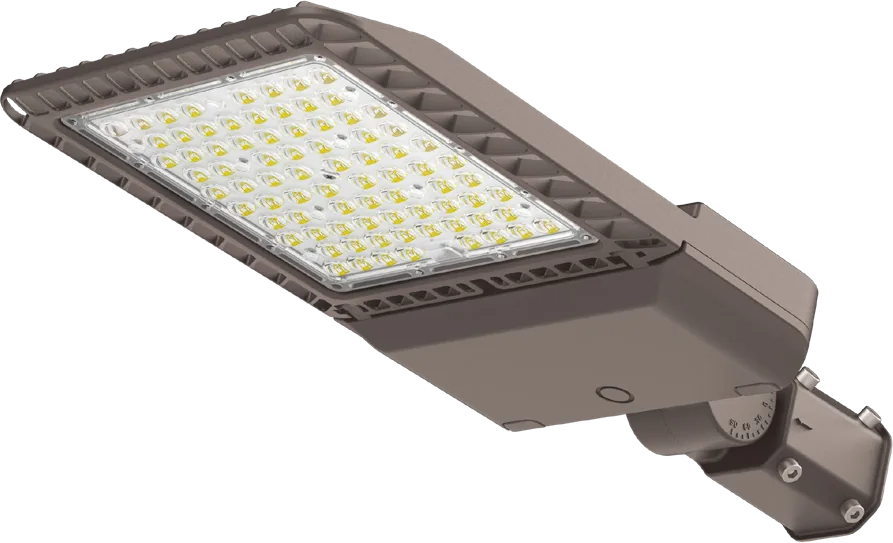
KILA LED Street Light
High power street light up to 400W with a wide 85 to 265 V input for unstable grids.
- 100W to 400W
- 150 lm/W
- IP66
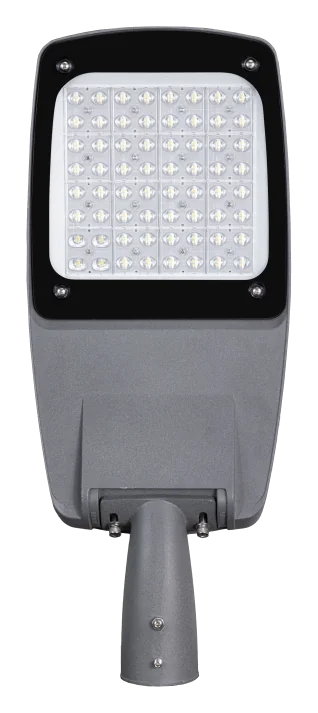
HILO LED Street Light
Main road street light, 100W to 300W, with a Ø65 mm mount and wide input voltage.
- 100W to 300W
- 150 lm/W
- IP66
- Surge 10 kV
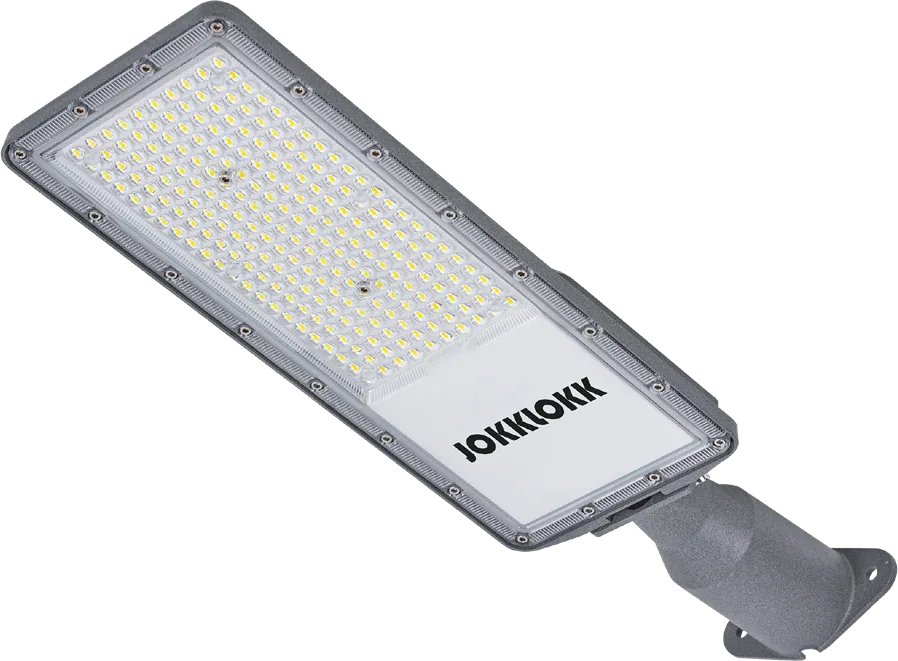
LOMA LED Street Light
Slim 50W to 200W street light at 150 lm/W for city roads and housing estates.
- 50W to 200W
- 110 lm/W
- IP66
- Surge 6 kV
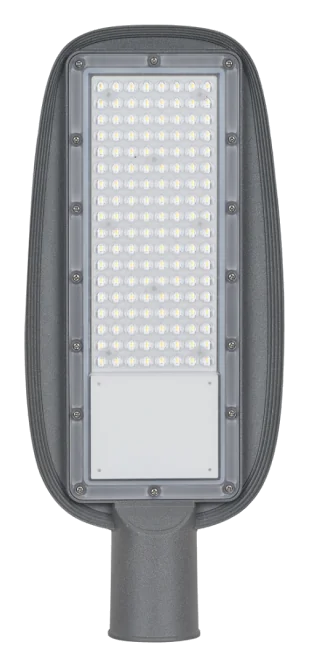
LEGO LED Street Light
Value street light from 50W to 200W, with a NEMA socket option for photocell control.
- 50W to 200W
- 110 lm/W
- IP66
- Surge 6 kV
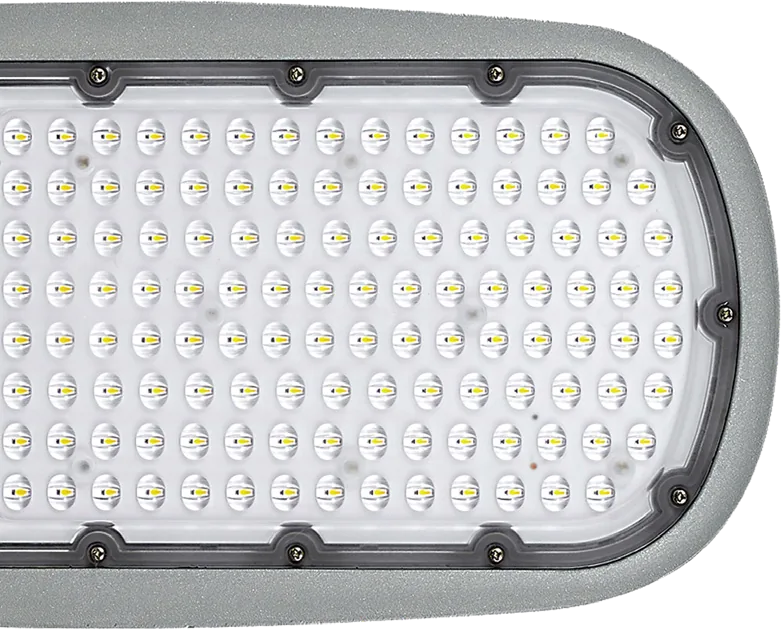
LETO LED Street Light
Sodium lamp replacement from 30W to 300W with a replaceable surge protector.
- 30W to 300W
- 120 lm/W
- IP66
- Surge 6 kV
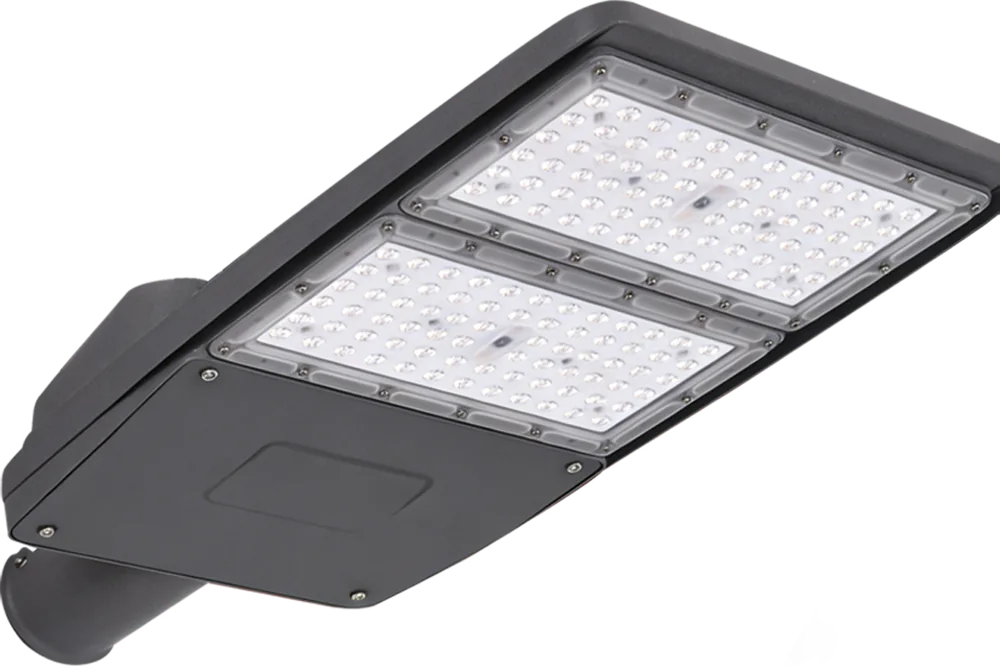
LOTA LED Street Light
Module-based street light, 100W to 300W, for wide roads and high poles.
- 100W to 300W
- 110 lm/W
- IP66
- Surge 6 kV
Compare LED Street Lights
Rated values from our catalog. Higher efficacy and other voltage or surge levels are available on request.
| Series | Power | Efficacy | Input voltage | Protection | Surge (standard) | Warranty |
|---|---|---|---|---|---|---|
| LOLA | 30W to 150W | 150 lm/W | AC 185 to 265 V | IP66 | 6 kV | 3 years |
| KILA | 100W to 400W | 150 lm/W | AC 85 to 265 V | IP66 | On request | On request |
| HILO | 100W to 300W | 150 lm/W | AC 90 to 305 V | IP66 | 10 kV | 5 years |
| LOMA | 50W to 200W | 110 lm/W | AC 185 to 265 V | IP66 | 6 kV | 3 years |
| LEGO | 50W to 200W | 110 lm/W | AC 180 to 265 V | IP66 | 6 kV | 3 years |
| LETO | 30W to 300W | 120 lm/W | AC 85 to 265 V | IP66 | 6 kV | 3 years |
| LOTA | 100W to 300W | 110 lm/W | AC 85 to 265 V | IP66 | 6 kV | 3 years |
An LED street light manufacturer for road projects and distributors
As an LED street light manufacturer and supplier based in Guzhen, Zhongshan, we serve two kinds of buyer. Municipal contractors need a fitting that passes a tender and survives years on an exposed pole. Distributors need a short list of models that covers most road types without tying up stock. Our seven street light series cover both, from 30W lanes to 400W highways.
All series use die-cast aluminum bodies sealed to IP66. They differ in efficacy, input voltage, mounting size and surge protection, and the notes below explain where each one fits.
Matching the fitting to the road
Road width, pole height and spacing decide the wattage. The table gives typical starting points for single-sided or staggered layouts. A lighting calculation for your road profile settles the final choice, and we can check one if you send the pole height, spacing and road width.
| Road type | Typical pole height | Typical wattage | Typical spacing | Series that fit |
|---|---|---|---|---|
| Village lanes, footpaths, estate roads | 5 to 7 m | 30W to 60W | 20 to 25 m | LOLA, LETO, LEGO |
| Residential and commercial streets | 7 to 9 m | 50W to 100W | 25 to 30 m | LOLA, LOMA, LEGO |
| Collector roads, car parks | 8 to 10 m | 100W to 150W | 30 to 35 m | LOMA, LETO, KILA |
| City avenues and arterial roads | 10 to 12 m | 150W to 250W | 35 to 40 m | HILO, KILA, LOTA |
| Highways, wide junctions, toll plazas | 12 to 14 m | 200W to 400W | 35 to 45 m | KILA, LOTA |
The two most common mounting sizes are covered. LOLA, LOMA, LEGO, KILA and LOTA fit a Ø60 mm spigot. HILO fits Ø65 mm, and LETO takes Ø50 to 60 mm through a side-entry bracket.
Replacing sodium and metal halide street lamps
Most street lighting tenders in our markets are retrofits. The table below is a rule of thumb for like-for-like replacement on the same poles. Results depend on the optic, the road width and the condition of the old lamp.
| Existing lamp | LED at 110 lm/W | LED at 150 lm/W |
|---|---|---|
| 70W high pressure sodium | 40W | 30W |
| 100W high pressure sodium | 60W | 50W |
| 150W high pressure sodium | 80W to 100W | 60W to 80W |
| 250W high pressure sodium | 150W | 100W to 120W |
| 400W high pressure sodium | 200W to 250W | 150W to 200W |
| 400W metal halide | 200W | 150W |
LETO was designed for this work. It replaces 50W to 250W sodium fittings one for one, and its side-entry bracket goes straight onto the old spigot.
Technical points buyers ask about
Surge protection and replaceable SPDs
Street lights sit at the end of long cables on tall poles, which makes them the first fittings a lightning surge reaches. A surge protection device (SPD) absorbs the spike before it hits the driver. As standard, LOLA, LOMA, LEGO and LOTA carry 6 kV line to neutral and 4 kV line to earth. LETO has 6 kV built in and takes an optional replaceable 10 kV / 10 kA SPD module. The HILO street light carries 10 kV on every size. Any series can be upgraded to 10 kV at extra cost.
Pick 10 kV for open roads, highways, coastal areas and regions with frequent storms. With a replaceable module, a maintenance crew swaps the SPD after a strike and the luminaire stays on the pole.
IP66 and IK08
IP66 means the optical chamber is dust tight and resists powerful water jets. That covers monsoon rain and street washing. IK08 means the housing withstands a 5 joule impact, which helps on low poles within reach of thrown stones. LETO is rated IK08.
Efficacy and running cost
LOLA, KILA and HILO are rated 150 lm/W at system level, so the figure includes driver and lens losses. LETO is rated 120 lm/W, and LOMA, LEGO and LOTA 110 lm/W. On a road that runs 12 hours a night, the 150 lm/W series repay the price difference through lower energy bills. On a tight tender budget, LEGO keeps the unit price down.
Voltage range
LETO, LOTA and KILA accept AC 85 to 265 V, and the HILO street light accepts AC 90 to 305 V. Choose them where the grid voltage falls at night or swings during peak hours. LOLA and LOMA run on AC 185 to 265 V and LEGO on AC 180 to 265 V, for stable 220 V to 240 V supplies. Those three put the surge protection on the LED board and form our economy group.
Photocells and smart control
LEGO can be fitted with a NEMA socket. The installer plugs in a photocell for dusk to dawn switching, or a smart controller if the city runs a central management system.
Color temperature
Most series come in 3000K, 4000K and 6000K. Many cities now specify 3000K or 4000K for residential streets to reduce glare. 6000K remains common on industrial roads in some markets. Ask for the CCT your tender specifies.
Heat and lumen maintenance
LED life depends on how well the housing removes heat. The die-cast aluminum body of each series acts as the heat sink. LOTA spreads its LEDs over separate modules, which keeps temperatures lower at 200W and 300W on tall poles.
Planning a retrofit or a new road
Most tender problems start with missing site data. Before you ask for a quotation, collect these details for each road section:
- Pole height and the spacing between poles
- Road width and the number of lanes
- Arm length and the diameter of the spigot on the arm
- The existing lamp type and wattage, if it is a retrofit
- The supply voltage and how much it varies
- The lighting class or lux level in the tender
With this list we can suggest the series, wattage and color temperature for each section, and check that the fitting suits the spigot.
Stocking street lights as a distributor
Distributors usually do well with three items. LOLA covers the 30W to 150W sizes that most estate and village roads need. KILA or HILO covers main roads up to 400W. LEGO gives a lower price option for budget tenders. Add LETO if your market runs many sodium retrofit projects, and LOTA for wide roads and tall poles.
Estimating the energy saving
The example uses generic figures to show the method. A town replaces 100 sodium street lamps of 250W. With ballast losses of about 10%, each draws around 275W. A 100W LED fitting at 150 lm/W saves about 175W per pole, or 17.5 kW in total. Over 12 hours a night for a year, that is about 76,600 kWh. Multiply by the local tariff for the yearly saving, and add the cost of the sodium lamps you no longer replace.
Typical lighting classes
EN 13201 groups roads into lighting classes. Motorised traffic routes use M classes based on road luminance. Residential streets and pedestrian areas use P classes based on average illuminance. The figures below are typical, and the road authority's specification always applies.
| Road or area | Typical class | Typical requirement |
|---|---|---|
| Highways and main traffic routes | M2 to M3 | 1.0 to 1.5 cd/m² average luminance |
| Collector and distributor roads | M4 to M5 | 0.5 to 0.75 cd/m² |
| Residential streets | P3 to P4 | 5 to 7.5 lux average |
| Footpaths and village lanes | P5 to P6 | 2 to 3 lux average |
| Busy town centre pedestrian areas | P1 to P2 | 10 to 15 lux average |
Working with us on a street lighting order
You can order under your own brand. We print your logo on the housing and use your color box, label and manual. For tenders that need a different efficacy, voltage range or surge level, ask in your inquiry and we confirm the options in the quotation. The OEM and ODM page lists what we can change.
Our quotation gives the carton size, quantity per carton and gross weight of each item, and we prepare the packing list for your forwarder. Street lights can share an order with flood lights or solar street lights.
Request a sample to fit on your own pole before you confirm a tender. Our quality control page explains how we check each order.
Built in Our Factory
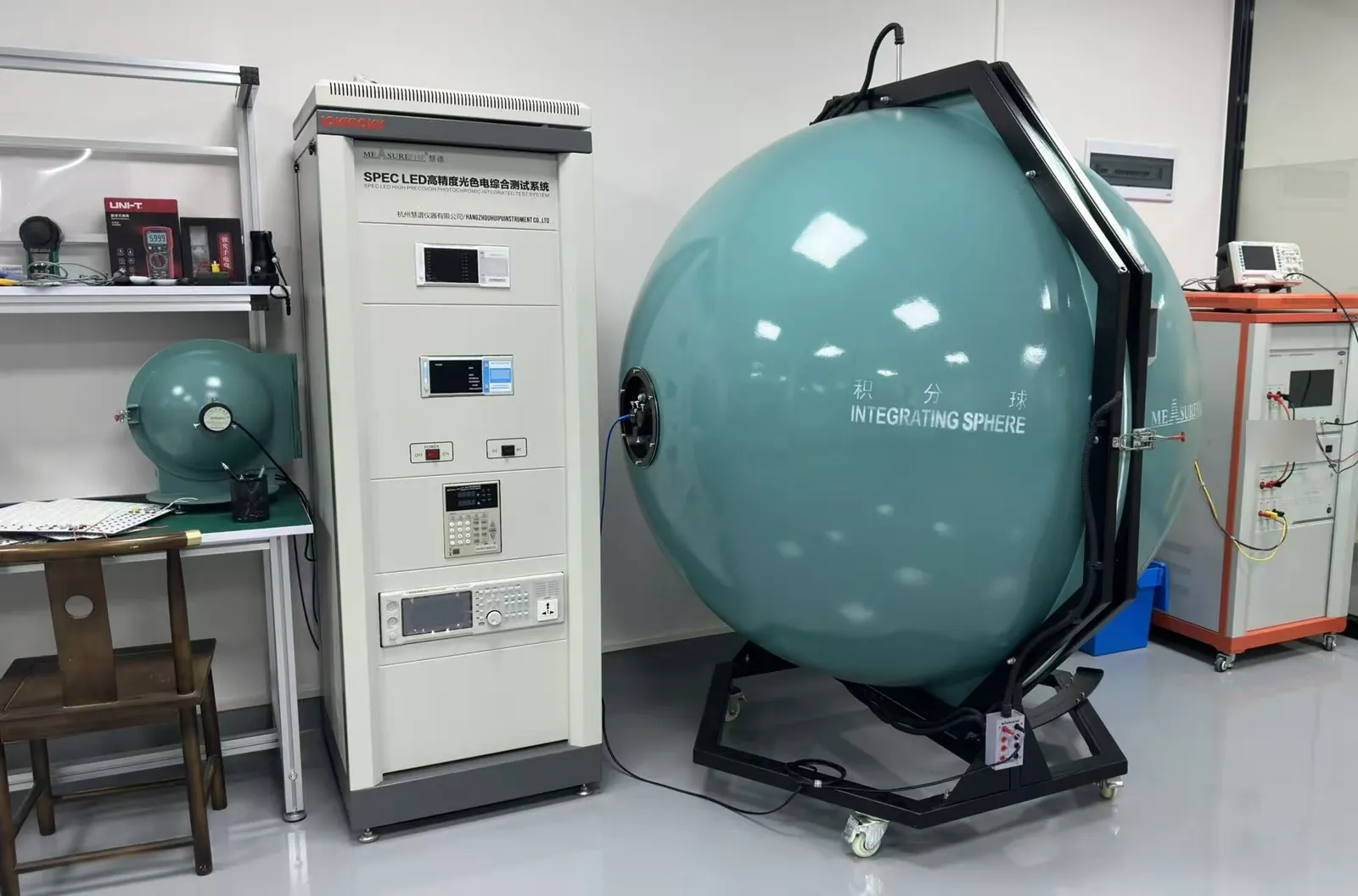
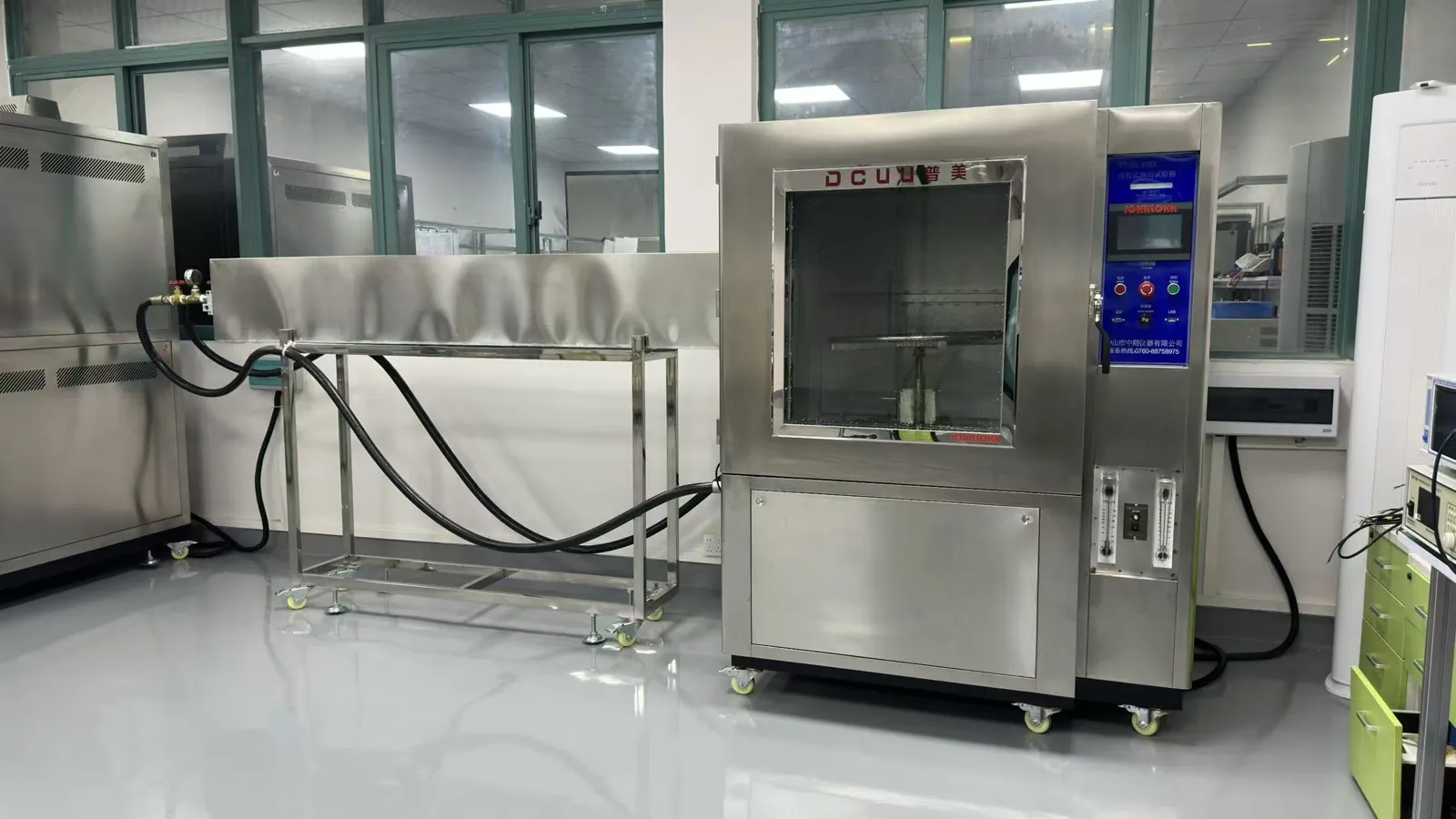
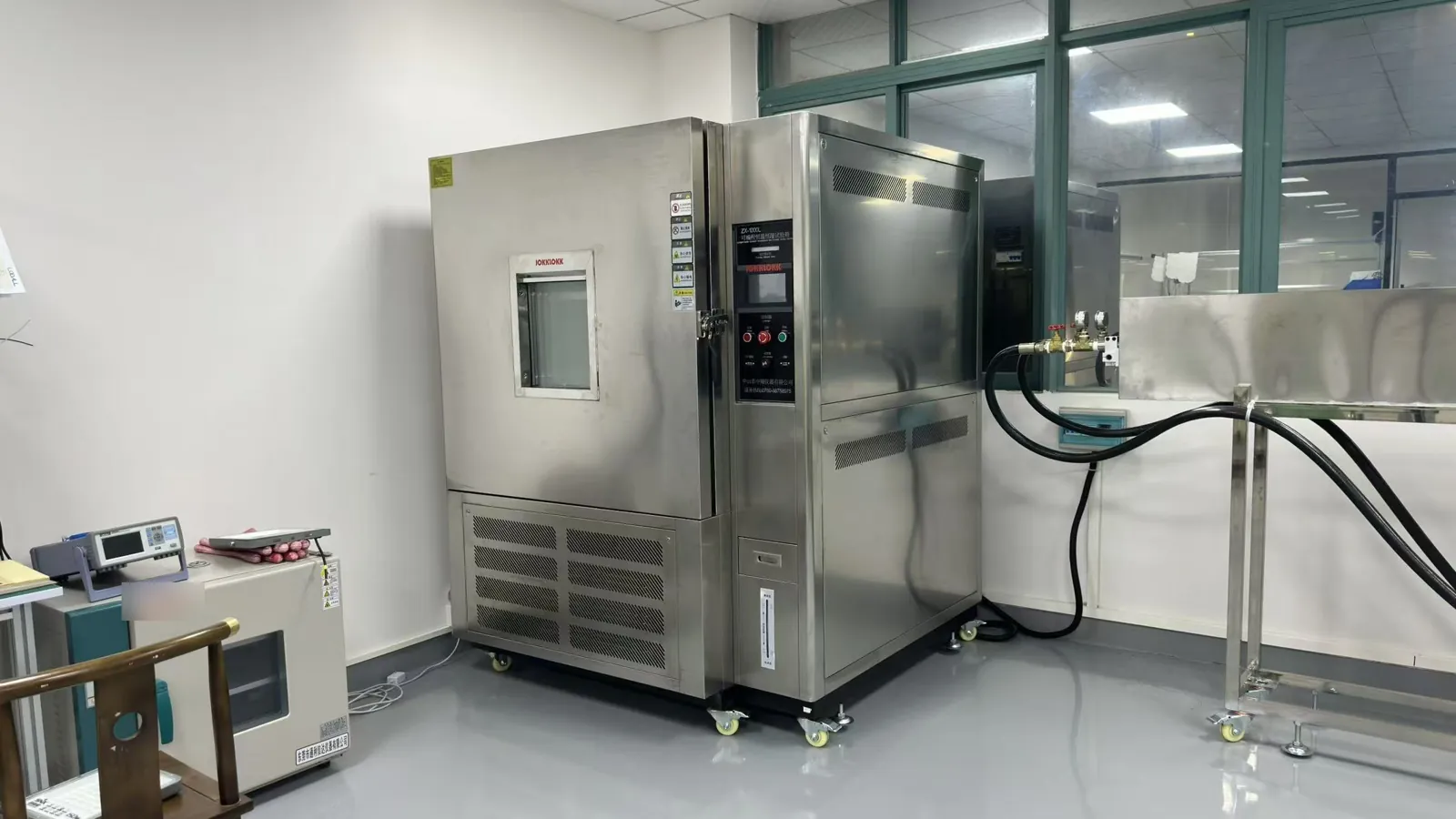
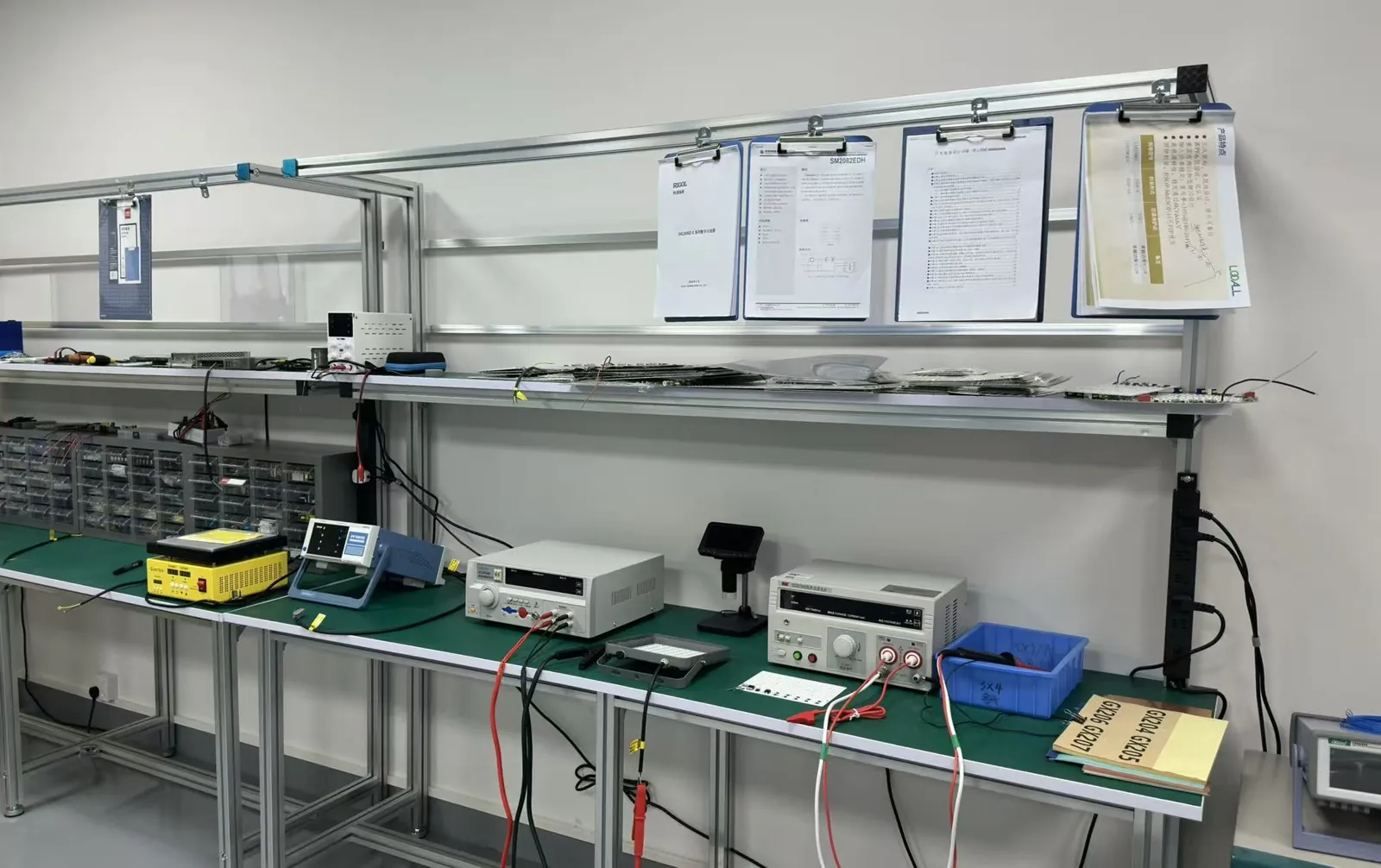
Our partner factory in Guzhen has made outdoor LED lights since 2014. Housings, molds and final testing all happen under one roof, and the factory lab tests light output, sealing, temperature and electrical safety.
Die-casting in house
The factory casts its own aluminum housings, so it controls wall thickness and fin design for heat dissipation.
Mold making
An in-house mold shop builds new housings for OEM and ODM projects without an outside tooling partner.
Voltage and surge options
Economy series with 4 kV to 6 kV protection on the LED board, project series with wide input drivers and up to 10 kV. Any series can be built to 10 kV.
Aging test
Each finished light runs powered on the aging rack before packing to catch early failures.
Pre-shipment inspection
Your own inspector or a third-party agency can check the goods before loading.
Export packing
Carton sizes and gross weights go into the quotation, and the packing list goes to your forwarder.
LED Street Lights FAQ
What affects the price of an LED street light?
Wattage and efficacy set most of the price. A 150 lm/W fitting needs more LEDs than a 110 lm/W fitting of the same wattage. The surge protection level, a NEMA socket, the driver type, custom branding and the order quantity add to it. We quote each option separately so you can compare.
Which series should we offer in a municipal tender?
For residential and estate roads, LOLA covers 30W to 150W at 150 lm/W. For main roads, HILO or KILA cover 100W to 400W. If the budget is tight, LEGO keeps the unit price low. If the tender is a sodium retrofit, LETO is built for one to one replacement.
When do we need 10 kV surge protection?
Specify 10 kV for highways, open rural roads, coastal towns and any area with frequent lightning. For sheltered urban streets on a stable grid, 6 kV is common. The HILO street light includes 10 kV, LETO combines 6 kV with an optional replaceable 10 kV / 10 kA module, and every other series can be upgraded to 10 kV at extra cost.
Our grid voltage drops to 150 V at night. Which models will keep working?
Choose HILO (AC 90 to 305 V), or LETO, LOTA or KILA (AC 85 to 265 V), so the driver keeps running through deep sags. LOLA, LOMA and LEGO suit stable supplies only.
Do your street lights fit our existing poles?
Most likely. LOLA, LOMA, LEGO, KILA and LOTA fit Ø60 mm spigots, HILO fits Ø65 mm and LETO fits Ø50 to 60 mm with a side-entry bracket. Send a photo of the current bracket and we confirm the fit.
Can you supply street lights with a photocell?
Yes. LEGO takes a NEMA socket for a plug-in photocell or smart controller. Ask about photocell options for other series in your inquiry.
What are the minimum order quantity and lead time?
Trial orders for a pilot road are welcome, and the quotation states the minimum quantity. After you confirm the models and packaging, production can be ready in as little as 25 days.
What warranty do you give on street lights?
The standard warranty is 3 years, and the HILO street light carries 5 years. The term for each item goes into the sales contract.
Can we test a sample before the tender?
Yes. We send samples so you can check light distribution and fit on your own poles before you submit or confirm an order. We charge for samples and deduct the cost when the order follows.
Get a Quote for LED Street Lights
Send us your requirement. We reply with prices, specifications and packing data.
- Chat with sales